
When it comes to America’s fast-growing lithium brine industry, there are few places more important than Union County, Arkansas.
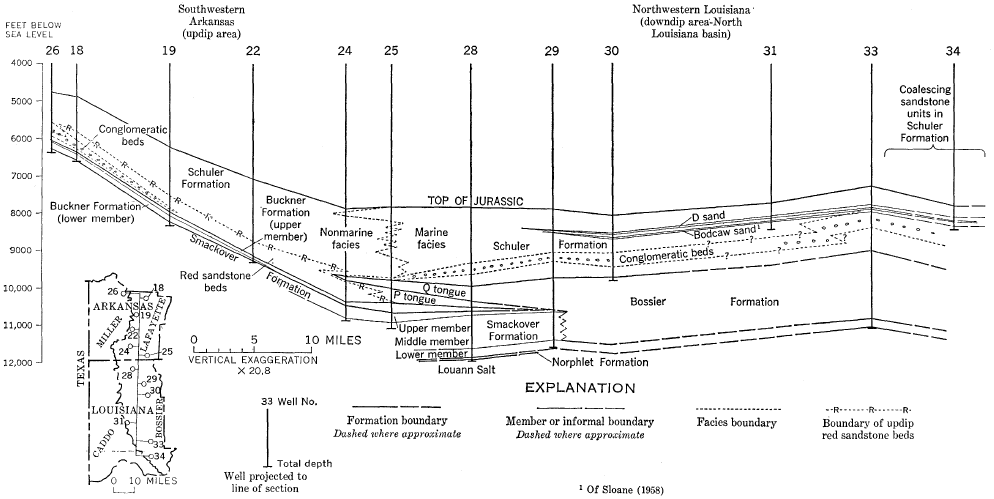
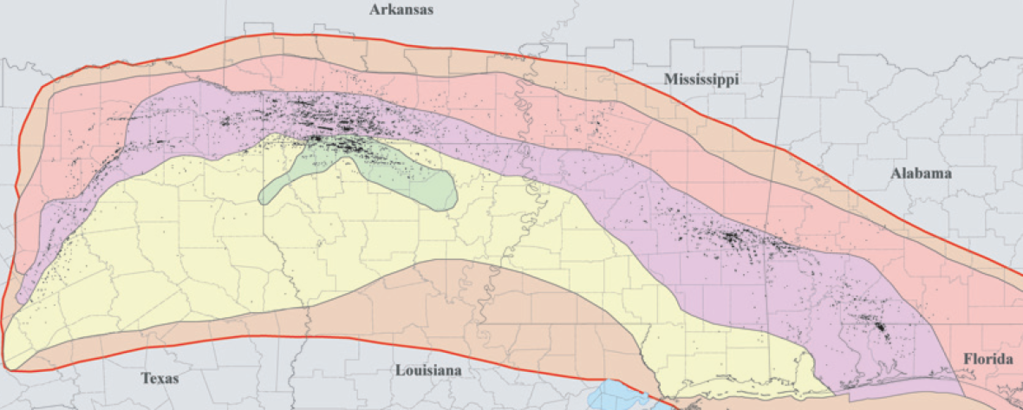
Located on the Louisiana border, Arkansas’s largest county sits above the Smackover Formation, a three-state geological area that has provided the United States with oil and bromine since the 1920s.
Though relatively high lithium concentrations have long been detected in South Arkansas oilfield brine, a range of factors—from different impurity profiles and climate to limited space and public support for large evaporation ponds—have meant extracting it hasn’t been possible. Now it looks likely that Direct Lithium Extraction (DLE) technology will soon change the game.
Oil industry heavyweight ExxonMobil, lithium giant Albemarle, and a partnership between Standard Lithium and Equinor are committed to lithium production in the region. All three have Union County-located leases, with Standard Lithium’s DLE pilot column currently in advanced testing.
While a DLE-powered lithium boom will be welcomed in the county seat of El Dorado and the state capital of Little Rock, recent decades have seen Union County’s place in the American resource landscape best defined by how well it has managed and conserved its groundwater.
Faced with a fast-diminishing water table in the late 1990s, Union County residents instituted a nation-leading groundwater management scheme that has almost completely recharged the Sparta Aquifer—located above the lithium-rich Smackover—while enabling bromine brine extraction to continue. The South Arkansas plan came decades before the public alarm and widespread state legislature reaction to America’s current groundwater depletion crisis.
Given that one of the key questions around DLE’s commercial feasibility is how much fresh water the technology will use, it almost seems fated that this early American road test of selecting separating lithium ions from lithium-rich brine would take place in South Arkansas.
“If we cannot do a good job of recycling that water and reducing our water footprint, we’re going to get crushed,” John Burba, executive chairman of International Battery Metals, told Reuters last September, talking about DLE’s fresh water usage. “DLE is a very water-intensive process.”
Groundwater is the world’s most extracted raw material, providing almost half of global drinking water. Around 70 percent of all groundwater extracted is used by agriculture, which plays a significant role in ensuring we stay fed.
States with large populations and extensive farmlands tend to have the most significant groundwater withdrawals in America. In 2015, just five states—California, Texas, Idaho, Nebraska, and Arkansas—accounted for 54 percent of national groundwater use, primarily for irrigation
Across the board, excessive water pumping, increasing droughts, and government incentives to increase food production have all affected aquifer recovery time. The overall result has been troubling.
Last August, the New York Times published an extensive investigation on groundwater usage in the United States. The findings were damning. After analyzing water levels at more than 80,000 monitoring wells across the U.S., the Times found that nearly half have “declined significantly [since the early 1980s] as more water has been pumped out than nature can replenish.”
Since 2014, 40 percent of sites have hit all-time lows. Top agricultural producers, like the ones listed above, are amongst the worst-performing states.
“From an objective standpoint, this is a crisis,” Warigia Bowman, a law professor and water expert at the University of Tulsa, told the Times, “There will be parts of the U.S. that run out of drinking water.”
Nearly three decades ago, Union County saw this coming — and acted. In 1996, the Arkansas state government designated the Sparta Aquifer beneath South Arkansas as a ‘Critical Groundwater Area.’
The following year, the United States Geological Survey (USGS) found the aquifer was dropping by as much as two meters a year. It recommended that future groundwater withdrawals in Union County be cut by nearly three-quarters to maintain water levels. Industrial requirements for freshwater played a big role in the aquifer’s diminishment.
“If we didn’t do something in five years or less, we were going to lose our water source,” Sherrel Johnson, the projects manager for the Union County water conservation board, told the Scientific American earlier this year.
Union County residents petitioned Arkansas Governor Mike Huckabee—father of current Governor Sarah Huckabee Sanders—to appoint a Water Conservation Board endowed with the authority to tax.
After kicking off a county-wide education program about the state of their aquifer, the board enacted a ‘conservation’ pumping fee for industrial users. Next, it instituted a voter-endorsed temporary tax for a $65 million treatment plant, drawing surface water from the nearby Ouachita River. The treated river water was explicitly for industrial users, placing far less pressure on the previously vulnerable water table.
The result of the water board’s moves has been a smashing success. This year, the overall level of the Sparta Aquifer was 36 meters higher than in 2004. All eight of USGS’s monitoring wells across the county have shown continual increases over the last two decades. In April, one well showed water levels were now higher than the top of the aquifer itself.
“You have to have trusted leadership, [good] science, and tenacity [to make the necessary changes],” Johnson said.
Union County isn’t alone in its efforts around the U.S. Aquifer Storage and Recovery schemes are active in cities across the Western United States, with Austin, San Antonio, and California’s Central Valley leading the way.
Since 2008, the $450 million San Juan-Chama Project has led to the recovery of the aquifer beneath Albuquerque, New Mexico, and lifted fresh water supplies for farmers along the Rio Grande River.
At best, the Federal approach to America’s groundwater crisis could be called stunted. At worst? Deeply disappointing. Over recent years, Senator Martin Henrich, a New Mexico Democrat, has championed the cause of groundwater management and conservation in Washington, D.C., introducing a raft of bills.
His Voluntary Groundwater Conservation Act—co-sponsored by Senator Jerry Moran, a Republican from Kansas—would give American farmers more flexibility and incentives to protect groundwater sources. Heinirch's Water Data Act has the potential to transform water management by establishing a national requirement for collecting information about groundwater.
Currently, many states require little, if any, monitoring or reporting on their aquifers. For their deeply researched investigation into the state of American groundwater, the Times used figures from 60 different databases, each with its categories of interest and levels of completeness.
Neither of Heinrich’s bills have been voted on.
Further down the American governance chain, there’s more encouraging movement. Last October, the National Conference of State Legislatures (NCSL), a bipartisan group representing state governments across the U.S., highlighted many encouraging groundwater-focused laws passed in red and blue states over recent years.
Since 2019, more than 100 state bills focusing on groundwater conservation and management have been made law. In the last two years, Virginia, Idaho, Kansas, Utah, and Nevada all passed laws that focused on conserving aquifers and basins.
Passed in 2020, the Utah Water Banking Act has enabled water rights holders with extra water to lease it to those with less. The state is planning on expanding the program. Along with revising current groundwater management provisions, Nevada introduced a law last year that requires the state engineer to “affirm or modify the perennial yield of basins in designated critical management areas.” Both Utah and Nevada have a crucial role in America’s lithium future.
Extraction policies have changed, too. A number of states require further permitting, higher fees for extraction in conservation areas, and plans for water auditing and leak detection and repair. California, Oklahoma, Nevada, Texas, and Virginia are among the states leading the way.
Other measures are possible. Writing for Forbes last October, John Sabo, a Tulane professor focusing on water resources at the school’s ByWater Institute, identified three ways to improve the groundwater situation in the Mississippi River Valley.
These were determining how to better capture excess water from downpours and floods and store it underground, establishing an interstate compact to help coordinate conjunctive groundwater and surface water management, and reevaluating how water is used in agriculture, including which crops are grown where.
There are international examples to replicate, too. Several recharge pilot schemes in central Spain have utilized rooftop runoff and treated wastewater to refill aquifers. After new fees were introduced for private well pumping in Bangkok in the early 2000s, groundwater losses were reversed, and land subsidence issues slowed.
Since 84 percent of all groundwater withdrawals are freshwater, the extraction of saline aquifers makes up less than a sixth of all water drawn from beneath the surface in the United States.
Ninety-seven percent of saline groundwater is used for thermoelectric energy, two percent for industrial needs, and just one percent for mining—a figure that will quickly increase as drilling for DLE-enabled brines becomes more feasible and environmentally friendly.
The entire lithium industry has been working on strategies to increase freshwater recycling, aiming to ensure lithium extraction from brine remains feasible from a resource management standpoint. Freshwater requirements for DLE will vary from design to design.
Reuters reported that some types of DLE technology require 180 metric tons of water to produce one metric ton of lithium, which does little to support DLE’s transformational claims. In the ion-exchange DLE process, for instance, fresh water is required to rinse the sorbent from the lithium. Careful recycling of this freshwater input will in many instances also be required.
Last year, French researchers published a paper on the environmental impact of DLE from brines. After analyzing 57 reports on water-dependent DLE technology, they found a quarter showed freshwater usage at rates up to ten times higher than evaporation ponds used in South America. Another quarter of the DLE tech they studied had no freshwater usage data at all.
Encouragingly, Albemarle uses membrane-based DLE tech at its Union County pilot plant, a technique that some recognize as requiring less water for operations. ExxonMobil is still researching which DLE technology to use, while Standard Lithium has spoken with confidence about the efficency of their Koch Industries-engineered system.
Due to the presence of the Ouachita River and the county’s treatment plant, fresh water is relatively abundant on the Arkansas side of the Smackover. Industry has continued successfully in Union County, utilizing water from the plant. Since 2007, all of America’s bromine supply has been sourced from South Arkansas brine.
Johnson, of the Union County Water Conservation Board, says their publicly funded water plant has “proven a boon for luring new development,” which includes lithium brinefield operators.
Another challenge lithium miners face in Union County is that the Sparta Aquifer sits directly above the Smackover itself. Careful engineering and properly designed drilling and pumping technology is an absolute must.
Whatever happens, you can be sure the Union County Water Conservation Board will be watching the levels. In one of DLE tech's early road tests n South Arkansas brine, a suitable water watchdog is firmly in place.
Ben Stanley
July 17, 2024
Feature
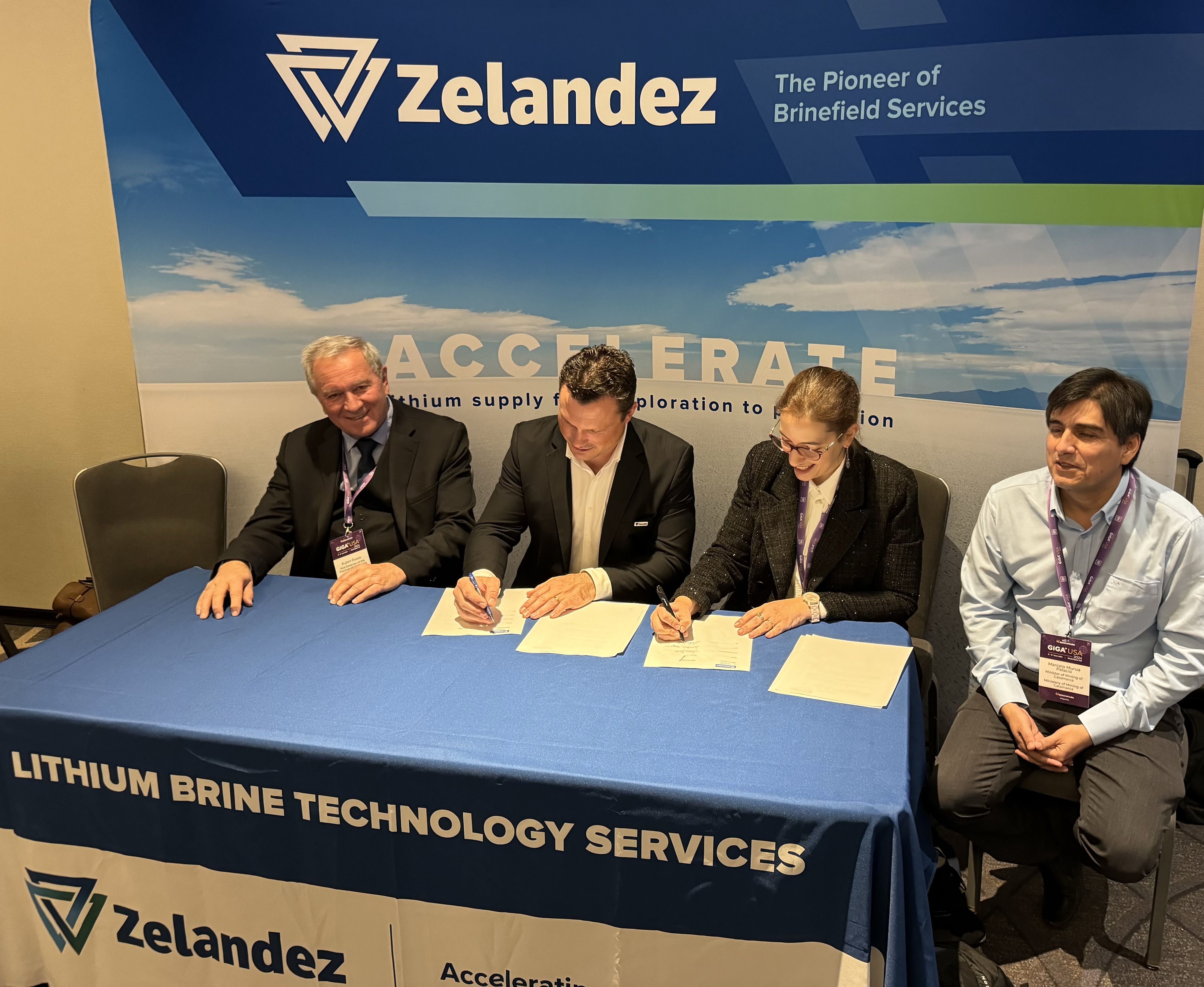
Zelandez has partnered with the Argentinian province of Catamarca in an agreement to provide modular prefabricated plants for the South American nation’s top lithium-producing province.
The partnership links the world’s leading lithium brine technology provider with Catamarca’s mining and energy company.
Prefabricated lithium carbonate production plants form the partnership’s central element, which Zelandez will build in the United States.
Gene Morgan, Zelandez’s chief executive, says a formal partnership with CAMYEN felt like a natural progression for the two organizations and a “major win for stakeholders in the Argentinian lithium industry and its supply line to the United States.”
"Zelandez has long been serving clients in the state of Catamarca, and we have enjoyed the pragmatic way that the region seeks to assist local lithium production,” Morgan says. “This partnership aims to help all our clients in the region."
"We welcome this engagement with Zelandez as a way to continue to add value to the province's lithium resources, create jobs, and generate export income," Susana Prelate Molina, the president of CAMYEN, says.
The agreement will also see Zelandez and CAMYEN team up to facilitate future project finance partnerships from the United States, Europe, and Japan. Under Argentinian law, provinces retain mineral resource rights.
By 2027, Argentina is estimated to grow lithium production significantly, surpassing Chile as the world’s second-largest lithium producer. Today, around 20,000 tonnes of lithium carbonate equivalent (LCE) is produced annually from Catamarca’s brinefields, representing more than half of Argentina’s overall production. Most the nation’s lithium brine exploration projects also occur in the province.
Catamarca is located at the heart of South America’s "Lithium Triangle," which contains more than 60% of the world’s total lithium reserves in brine formations. South American brine-sourced lithium is considered the lowest-cost source of the battery-critical element.
About Zelandez
Zelandez is the leading services provider to the lithium brine industry. The company provides a comprehensive suite of advanced resource exploration and production tools. Zelandez also offers complete wrap-around integrated services for lithium mining companies designed to accelerate the path to lithium production. Zelandez works with leading lithium mining companies in Argentina, Bolivia, Chile, the United States, and Canada.
About CAMYEN
CAMYEN is the mining and energy company of Catamarca Argentina, and its main objective is the development of Catamarca's mining and energy, through the sustainable use of natural resources and the preservation of the environment while society continues developing. CAMYEN holds mining rights by way of business contracts and company collaborations in the lithium market in the region.
Learn more about Zelandez here.
Media team
June 29, 2024
Press
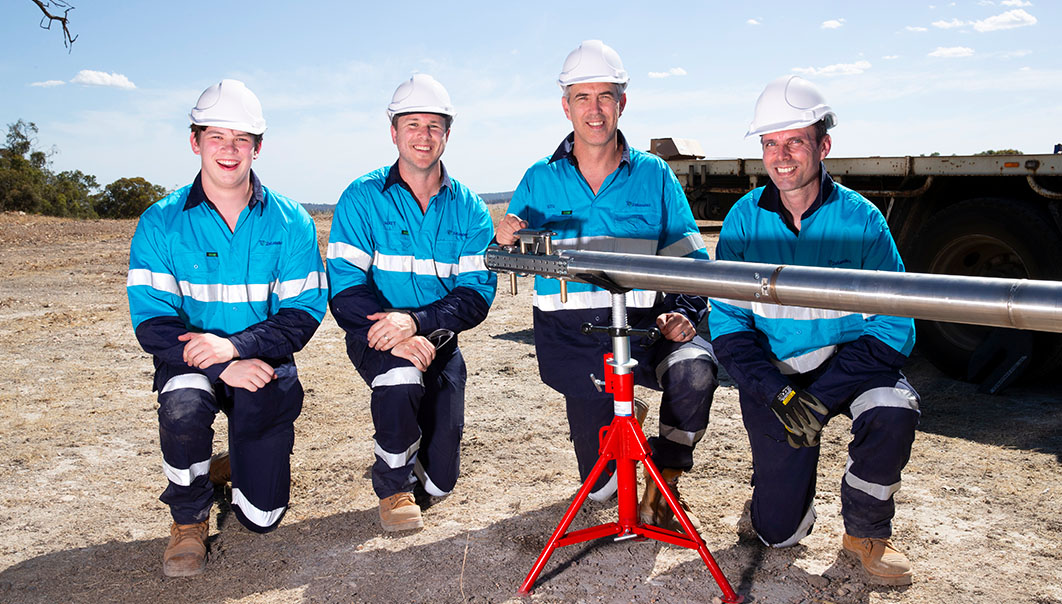
Austin, Texas, March 5, 2024 — Zelandez, the leading provider of technology to the
lithium brine industry, today announced the availability of its new Borehole Formation
Tester (BFT) to lithium developers worldwide.
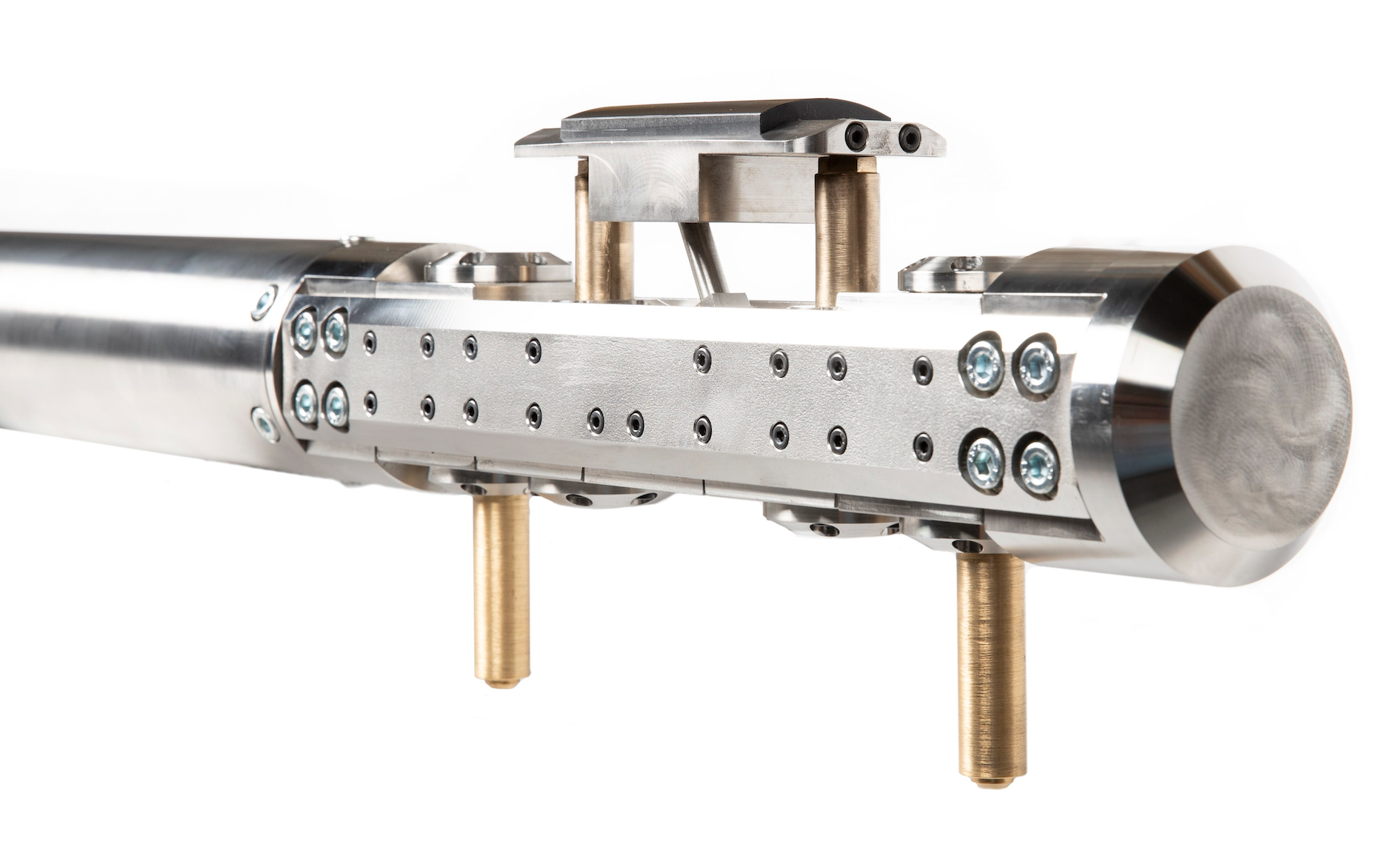
The BFT is the world’s slimmest pump-through formation tester designed to specifically address lithium miners’ needs by measuring aquifer pressure, analyzing fluids downhole in real-time, and obtaining representative brine samples. It significantly reduces the costs of lithium brine development when compared to the less accurate incumbent ‘packer testing method’.
Lithium developers will no longer depend on large expensive rig-deployed sampling, which has high supply costs, to retrieve brine samples from below ground. The BFT reduces the time needed to sample quality lithium brine. Contaminated brine samples will become a thing of the past.
The BFT provides detailed pressure and productivity data and allows clients' hydrogeology teams to optimize brine and lithium production. It speeds up the development period required to bring lithium to market at a lower cost.
Currently, no product or service offers lithium operations the level of pressure measurement, fluid characterization, and reservoir testing that the BFT does.
“The world needs more lithium. The old way of sampling lithium was just too slow and too cumbersome. It was making it hard to find new lithium brine resources and to bring more lithium to market. The Borehole Formation Tester changes that - it changes the game for lithium developers. The BFT is another example of Zelandez innovating specifically for the needs of the lithium market,” said Gene Morgan, CEO of Zelandez.
“The BFT was built to address the specific challenges of aquifer testing and fluid sampling in lithium brine exploration and production. Instead of it taking weeks, it delivers results within hours or days.”
The BFT enables the lithium mining industry to conduct rigless pressure and permeability testing and fluid sampling in slim boreholes down to 122mm (PQ). The BFT provides testing and sampling in low permeability, laminated, fractured, unconsolidated, and heterogeneous formations. It enhances lithium miners’ decision- making by delivering real-time access to actionable aquifer data. Through enhanced definition of the complex sub-surfaces poor well deliverability is mitigated.
It also enables miners to understand better and meet their reinjection requirements.
“While Formation Testers are commonplace in the Oil and Gas industry, their size and cost have made them impractical for use in the brinefield. The BFT has miniaturized this technology for lithium miners” adds Morgan.
Zelandez’s BFT serves the testing and sampling needs of the lithium brine, groundwater, hard rock, coal seam gas, natural hydrogen, and helium sectors.
Zelandez is the leader in brinefield services and provides a comprehensive suite of technology for lithium brine explorers and producers, including full wrap-around integrated project management, modular lithium production plants, sensors, and expert geoscience and engineering know-how. Zelandez works with the majority of lithium mining companies in Argentina, Bolivia, Chile and North America.
For More Information
Matt Adams
BFT Director of Sales
Tel: +61 467 726 027
E-Mail: matt_adams@zelandez.com
Matt Adams
March 19, 2024
Uncategorized

Zelandez, the leading global provider of services to the lithium brine industry, today announced the appointment of Kerry McCallum as the company’s United States (U.S) Country Manager and Brinefield Management Lead. Melissa Reichard is the new North American Business Development Lead. All appointments are essential components of the company’s business growth objectives for the North American region and will assist Zelandez to capitalize on the solid growth in US-based lithium development.
McCallum has nearly 20 years of experience in technology and exploration and will be responsible for new customer engagement, business growth, and customer relationship management across the U.S and Canada. Previously McCallum worked for Palantir Technologies and the Dewhurst Group. He has an MSc in Engineering Management from Drexel University in Philadelphia, PA, and a bachelor’s degree in engineering from the University of Canterbury in New Zealand.

“The lithium industry in the United States and Canada is at an inspiring stage. As North America continues to build its critical mineral independence, particularly in lithium, there will be a greater demand for the specialized services and technology that Zelandez provides to the lithium brine sector. I’m excited to take advantage of these business opportunities and work alongside the great team that we are building in North America. We will be focusing on assisting some of the best mining companies in the region to achieve their lithium production objectives,” says McCallum.
Melissa brings over ten years of experience in engineering and sales positions in the global Oil and Gas sector and will be responsible for driving the growth of Zelandez in the North American market. Most recently, she led business development across the Western Hemisphere at WireCo. She has also built her experience at BK Corrosion and Baker Hughes. Melissa holds a chemical engineering degree from the Universidad de America, Bogota, Colombia
Zelandez recently announced the launch of its new specialized lithium brine recycling service. Critical challenges impacting the US domestic lithium mining industry is what drove the company’s expansion to North America. Its’ client base includes industry giants such as Rio Tinto, Albemarle, and Allkem. Zelandez holds a dominant position as the world’s provider of lithium brinefield services.
Kerry McCallum
February 6, 2024
Uncategorized

Gene Morgan, co-founder and CEO of Zelandez, is featured in an exclusive article in this month's issue of North American Mining. Gene's article details how older lithium mines can help the United States achieve alternative energy independence. Gene discusses how older processes and technologies used in lithium mines should be avoided. He also explains why there should be greater adoption of newer technologies and processes, such as direct lithium extraction, that will help increase lithium production and modernize aging U.S. lithium mines. It also addresses the importance of monitoring brine and freshwater levels to verify that brine pumping is not adversely affecting water systems. Finally, the article also addresses the critical importance of human capital in the lithium mining sector. With the growth in demand for lithium-dependent energy sources, especially electric vehicles, this is a very relevant article
You can read the article in North American Mining here: What's old can be new again
Kerry McCallum
February 7, 2024
Press

Gene Morgan, CEO de Zelandez, se sentó con Adrian Pocobelli, el presentador del podcast de Northern Miner. Durante la entrevista, Gene y Adrian trataron una amplia gama de temas relacionados con el litio, que puedes escuchar aquí. La discusión se centró en 3 áreas principales:
1. Los avances tecnológicos que están permitiendo conocer mejor los recursos de litio y facilitando la mejora de los procesos de extracción.
2. Cómo la Ley de Reducción de la Inflación de Estados Unidos está facilitando el crecimiento de las cadenas de suministro nacionales y el valor que éstas añadirán a medida que el país se prepara para satisfacer la futura demanda y los requisitos de suministro de los vehículos eléctricos
3. Los retos que plantean la lentitud de los permisos y la falta de talento cualificado
Vea la entrevista en podcast aquí
Kerry McCallum
August 25, 2023
Interview
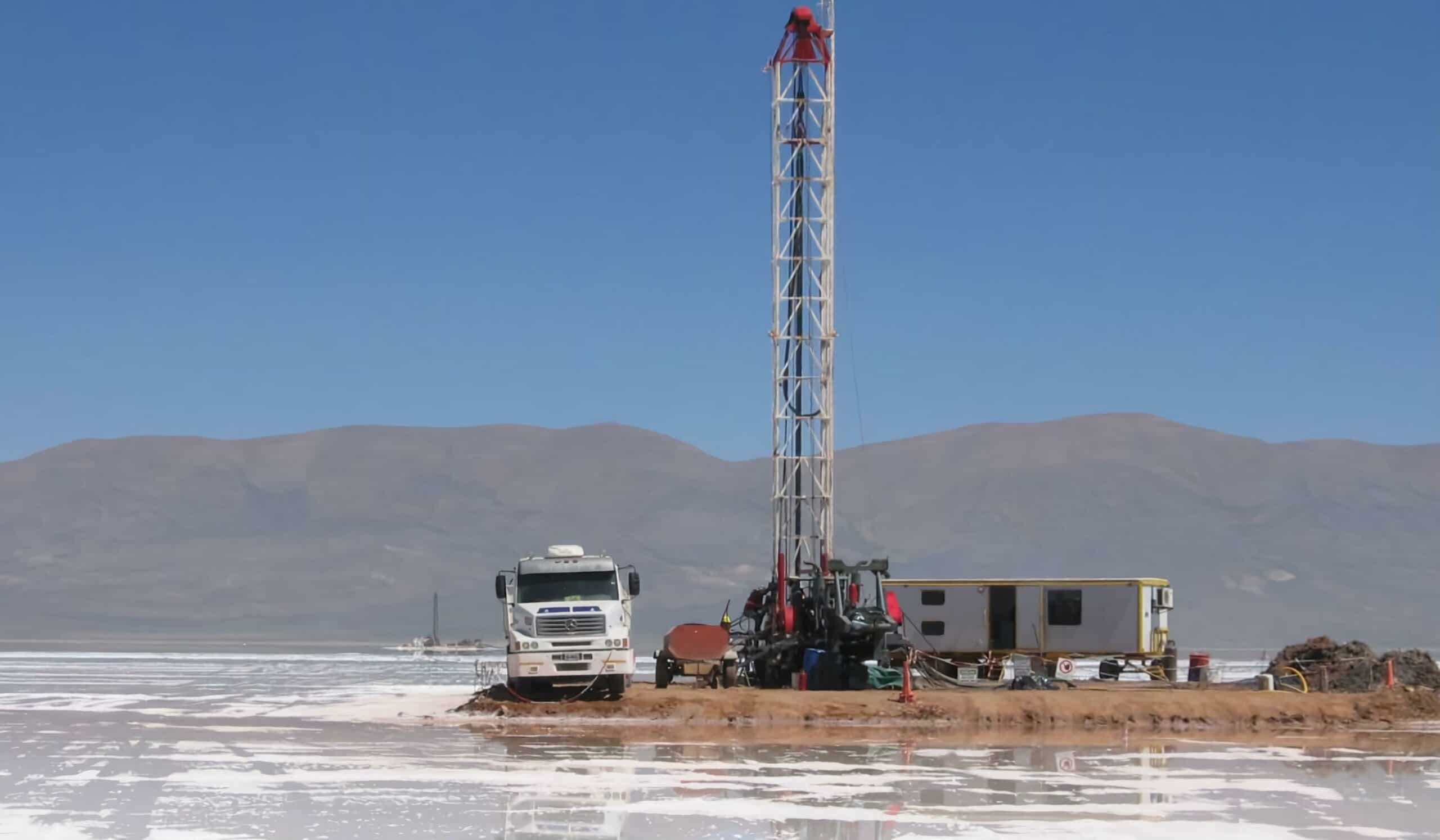
Austin, Texas, August 23, 2023— Zelandez, the leading global provider of services to the lithium brine industry, today announced the availability of its new specialized lithium brine reinjection service. The innovative new service, believed to be an industry first, combines hydrochemistry with traditional reinjection techniques used extensively in the oil and gas market and deployed in lithium mines.
The tailored service will provide lithium brine extractors with a full characterization of their reservoirs and optimize the location of injector wells and producer wells. It also includes the design of a reinjection plan that maintains aquifer pressure, ensures the production of preferred brines, whilst also protecting freshwater assets.
The global demand for sustainable sources of lithium has created a race to develop “Direct Lithium Extraction” technologies (DLE). This is typically used by lithium brine extractors to separate lithium from the salty water held in oil and gas reservoirs and in underground brine aquifers. However, the challenge is that when DLE is used, the lithium producer is left with a lot of depleted brine that must go somewhere and underground reinjection is the obvious solution
“The impetus behind the development of our specialized lithium brine reinjection service is that the normal methods of reinjection, historically used in the oil and gas industry and borrowed by the lithium industry, are simply not delivering the desired results. We all know that oil doesn’t mix with water and depleted lithium brine is miscible with the underlying asset,” says Gene Morgan, CEO of Zelandez.
During Zelandez’s research and development process, the importance of integrating hydrochemistry into traditional reinjection techniques became very apparent. “This process totally changes the aquifer management plan and enhances protection of freshwater water assets. Our new service takes the lithium brine sector significantly closer to true mastery of the subsurface. So much so, that in the lithium brine market we feel that it really shouldn’t even be called “reinjection.” It’s much more accurate to call what we are doing ‘Brine Recycling,’” says Morgan.
Commenting on Zelandez’s approach, Lee Ann Munk, Geochemical Modelling Lead at Zelandez says, “As the demand for lithium increases, there will be significant attention focused on how lithium brine extractors can effectively manage their byproducts and wastewater. We believe our methodology is groundbreaking and will change the way the industry tackles a challenge that no lithium brine extraction company has managed to adequately resolve – ‘what do you do with depleted brine?’”
Zelandez’s lithium brine reinjection service will enable lithium brine extractors to achieve enhanced levels of environmental stewardship, mining productivity, and resource and risk management.
Zelandez recently entered the North American market. Its US expansion was driven by key issues impacting the US domestic lithium mining industry. The company’s client base includes industry giants such as Rio Tinto, Albemarle, and Allkem. It holds a dominant position as the world’s provider of lithium brinefield services.
Kerry McCallum
August 23, 2023
Press
Choose Zelandez for your lithium brine project